
Stopping drinking
Behind Closed Doors: How to stop drinking at home
Mar
Does the UK need to stop drinking at home?
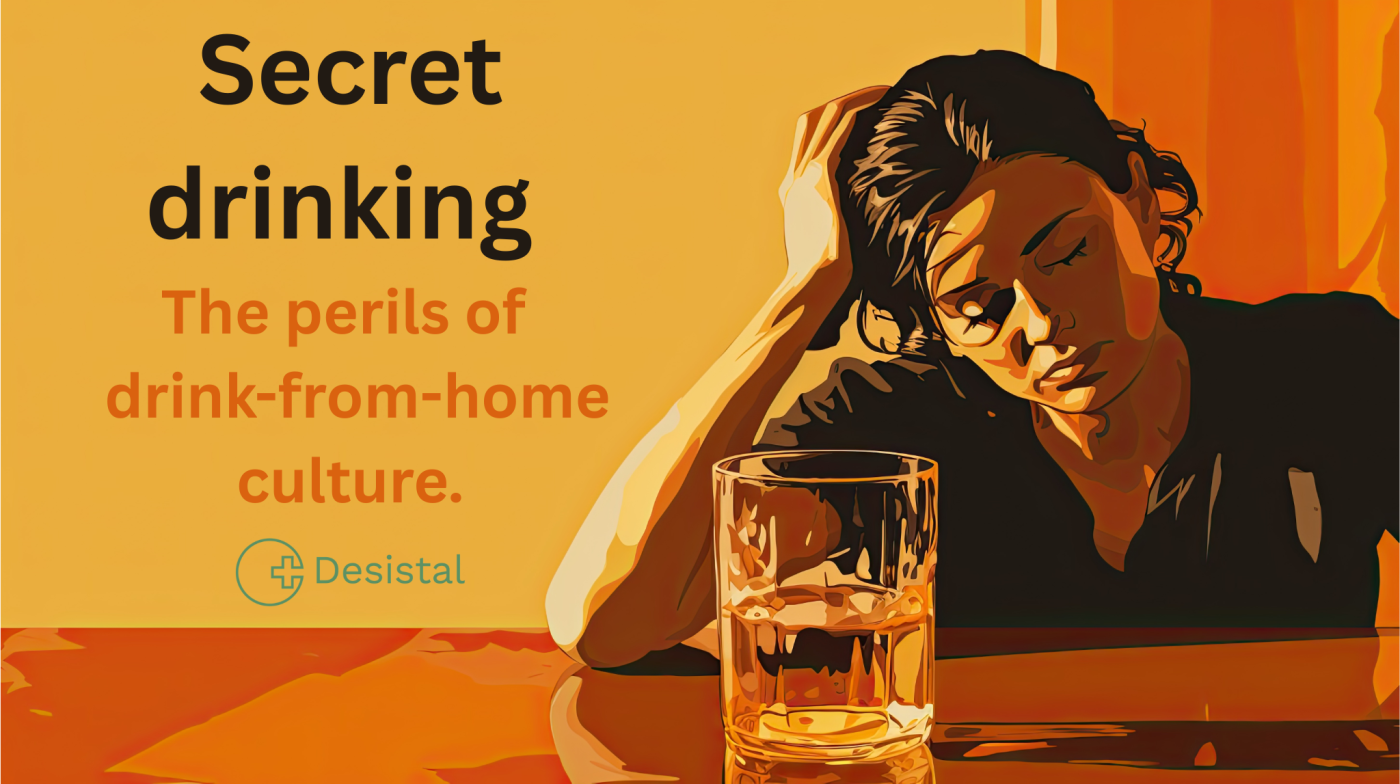
How can you stop drinking when you live at your watering hole? We as a nation are drinking behind our doors more and more, but what’s behind this trend, and is there a dark side to the rise of the drink at home revolution?
Three years ago, I was hungover at the park again. It was obvious again. The dreaded questions started: Where were you? Who were you out with? Was it worth it, ha-ha?
All part of the toxic drinking culture of the UK, but with a modern twist: I wasn’t out anywhere. I’d sat on the couch yet again and emptied a bottle of wine to myself.
It was a terrible cycle that started in the COVID lockdown and the start of my suburban drinking nightmare. Thankfully, my nightmare ended when I stopped drinking for good, but the rise of drinking at home and alone has only gained momentum.
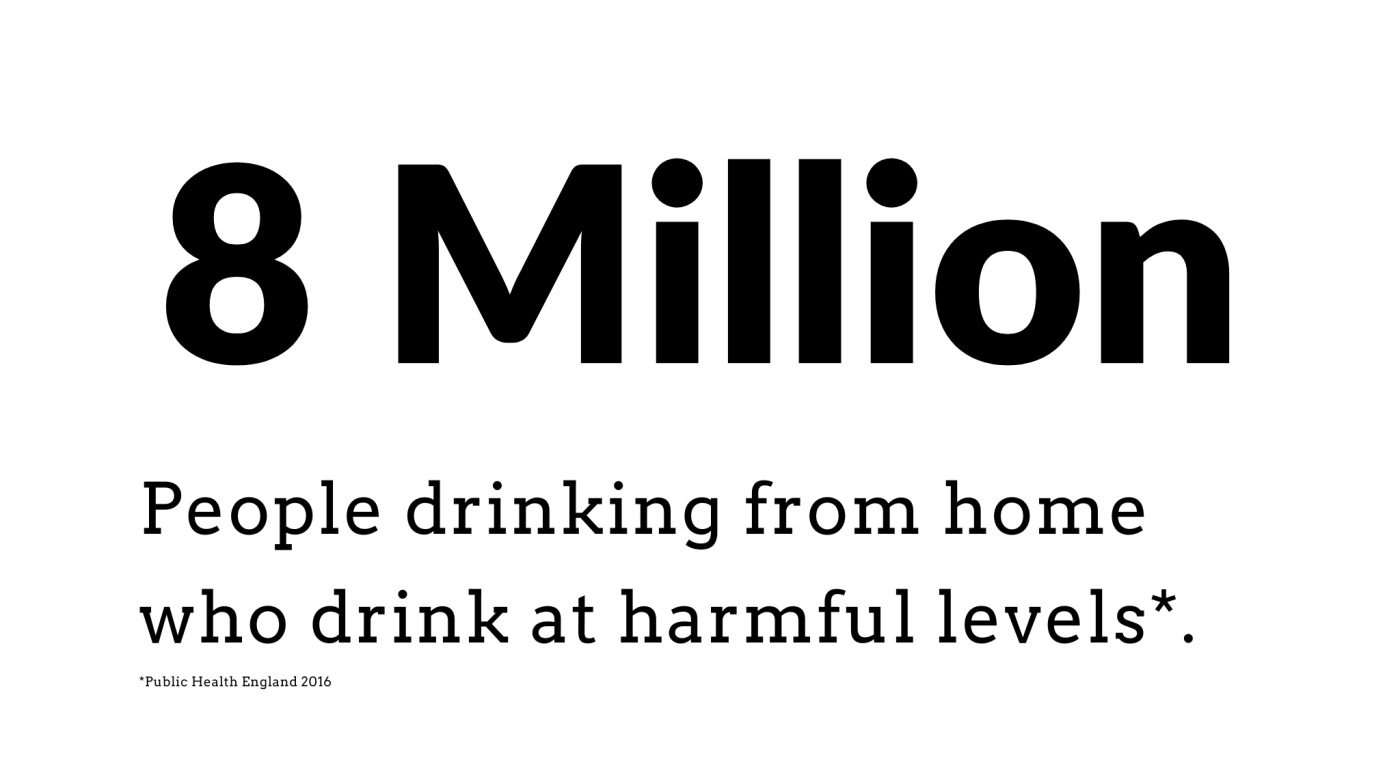
Three-quarters of all alcohol bought in 2025 was for drinking at home. 8 million people who drink at home regularly have harmful amounts. What is driving this trend, and is it better or worse to drink at home or out on the town?
Are we abandoning the pub?
Mental health and alcohol problems are linked. If social connections improve mental health, then the pub offers a balance – alcohol but also socialising. So why are only 40% of us going there now?
Pubs are empty, the AF movement is rising, and sober-curious is the buzzword of the age. But are we really drinking less alcohol?
Statistics show that younger people are drinking less, but people over 35 are still drinking at alarming rates. They just aren’t doing it in the pub.
Overall, alcohol buying has dropped by 10%, but only 2.3% of this drop is from shops for drinking at home.
What’s the problem with drinking at home?
Opinion is divided on the impact this is having on people. In many ways, drinking from home can be safer.
Benefits of Staying Home
- Less chance of encountering criminal behaviour
- No need to drink and drive
- Less likely to overspend and risk financial problems the next day.
- It isn’t all so rosy, though. In many ways, drinking at home can be riskier. Depending on where and with whom you live, the dangers of drinking at home vary.
- People who live alone are more vulnerable to alcohol poisoning, but people with families may be a risk to their spouse or children, even if it isn’t deliberate.
Risks of Drinking at Home
One of the biggest problems with drinking at home is that you can’t avoid it. One of the cornerstones of quitting drinking is not to spend time where you drink, but how can we do that when it is our own home?
Drinking weaves its way into your daily life. Your routines, like watching television, reading, and relaxing in the evening, all become linked to alcohol. Soon you may find you can’t imagine doing them without it.
- Unregulated home-poured measures raise the risk of alcohol poisoning
- Lower costs mean people drink more
- Families are at risk of harm or neglect from drunk spouses or parents
- No limits – refusal of service happens in pubs, but not at home
- Invisible – it is easier to keep drinking problems a secret in private
What is behind the rise in domestic drinking?
So why are we all sipping on our sofas, and what are the risks?
It would be all too easy to point to the pandemic over this change, but this has been going on since the 1900’s. In 1904, there were 100,000 pubs in the UK, as of 2026, there are 45,000. That is less than half, indicating a long-term decline in drinking out.
Quality over quantity
Despite fewer pubs, bar turnover and employment have risen in recent years. The reason: people are going out less but expecting better-quality establishments, drinks, and food.
This is one of the positive changes and likely stems from a different attitude to general consumption and health.
Working from home
It’s hard to drink unnoticed in the office. Much easier to start early when you don’t have to commute. This has been driving an increase in drinking, specifically for people who work remotely.
WFH has great health and lifestyle benefits, but it has taken away a lot of drinkers from their more social gatherings. People who once met coworkers or friends in the city for a beer are now picking up a bottle at home.
Lack of regulation and having more privacy at home mean that people are drinking more on average if they work from home. It is also easier to hide a hangover or bad social behaviour if you are at home.
Price of a night out vs a night in
Drinking and going out are pricy nowadays. The cost of a night out has gone up 136% since the 90’s, especially in areas like London.
On the home front, however, despite government efforts to increase duty, many alcoholic drinks are actually more affordable now than they were 30 years ago. The beer industry in particular has exploded, meaning buying from the shop is dramatically cheaper.
While minimum pricing drove high-strength low-cost drinks out of the market, you can buy a bottle of wine for the price of a glass in a bar or restaurant.
Unregulated, unsociable and unsafe
There are no last orders in your home. It is hard to measure a drink you pour yourself, and only friends or family can cut you off before you have too much.
How to stop drinking at home
With all the challenges we face, stopping drinking at home can be tougher than keeping out of the pub.
Top tips to stop drinking at home
Don’t use alcohol to cope with stress or sleep
It might relieve your stress or knock you out for the night, but long-term drinking alcohol upsets the balance of sleep hormones and the chemistry of calm in our brains. Reducing GABA levels is a natural reaction that comes from drinking alcohol to calm down too much. Melatonin, the sleep hormone, is reduced when we drink regularly, making it harder to sleep and get the right kind of sleep, too.
Get out of the house
If you can’t stop drinking at home, get yourself out and about away from temptation. If you can take on a fun, healthy activity that involves socialising, all the better.
Don’t want to drink it? Don’t buy it!
If you can’t get out of the house, don’t let alcohol in. It is easier to resist temptation if it isn’t staring you in the face from the drinks cabinet. This is a big one for people with children or who have disabilities that mean they can’t get out of the house easily.
Keep to bar rules.
Set very firm rules for yourself regarding drinking. Have hours and limits to your drinking. Have a maximum number of units per day and several alcohol free days a week.