
Alcohol and Health Effects, Alcohol and Mental Health
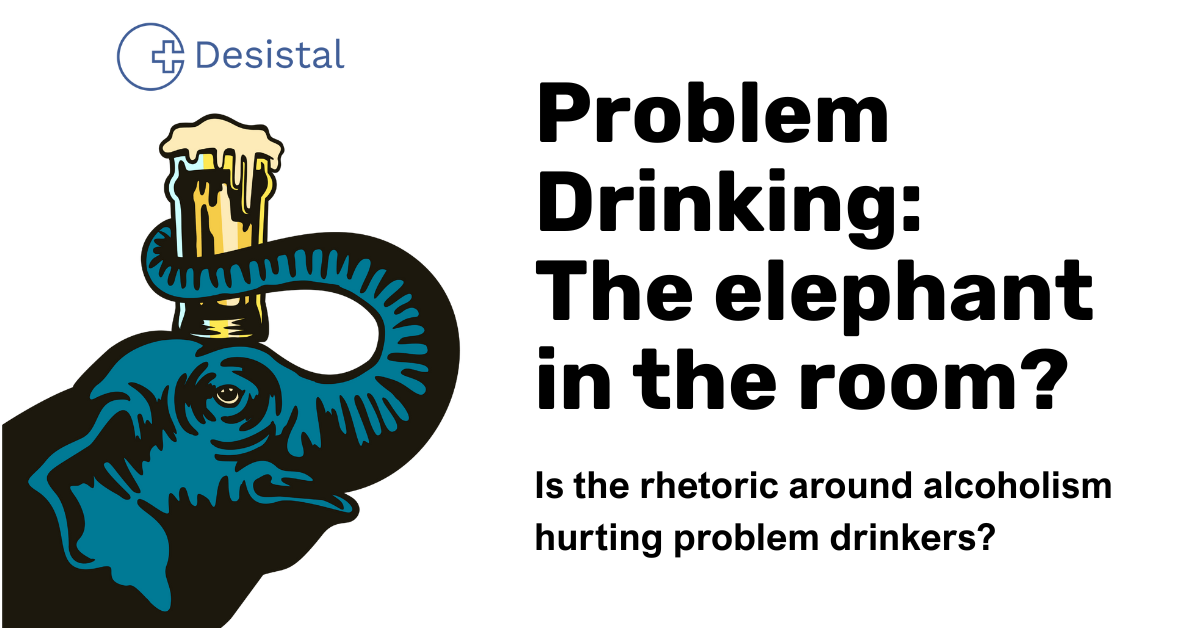
Alcoholism vs problem drinking: is the confusion hurting everyone?
Jan
Am I an alcoholic?
I never got asked that question before I stopped drinking. Now, in the last five years, I’ve had almost a dozen friends hit me with this one.
Here’s the thing, though, I am not an alcoholic. I am a problem drinker. I don’t drink because now that I sorted out my problems, alcohol only reminds me of those problems. But the vice-like grip of addiction is something else entirely, and mixing up the two can lead to poor treatment and unfair expectations.
I have a lot of colleagues, friends and family who have struggled with alcoholism, so I feel qualified to answer ‘could I be an alcoholic’ pretty well.

Check our bestsellers!





Most of the time, the answer to this question is an easy no. I might ask a couple of questions about their drinking habits, but alcoholism is, in fact, pretty clear-cut.
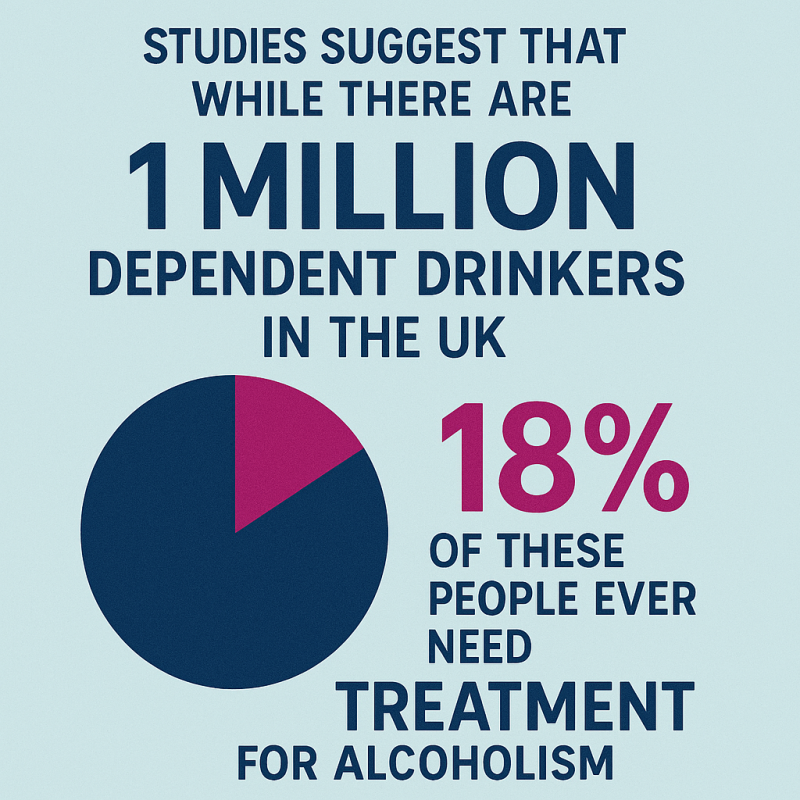
The statistics agree with this take. Studies suggest that while there are around a million dependent drinkers in the UK, only 18% of these people ever need treatment for alcoholism.
So why are so many people out there googling, fretting and asking their sober friends if they have alcoholism? The answer lies in what alcoholism means and the confusion about boundaries and lines we cross when it comes to drinking.
So are we mislabelling alcoholism? Yes, a lot of the time we are.
The idea that an alcohol problem = an alcoholic is a big mistake. You can drink too much and not be an alcoholic. You can drink way too much and still not be an alcoholic.
Plenty of people go a bit wild with alcohol, then settle down to occasional drinking, no problem. For alcoholics, this is not what happens.
Once an alcoholic has one drink, they will keep going until they aren’t able to drink any more. Likely, they will fall off the wagon and go back to drinking quite terrifying amounts every day.
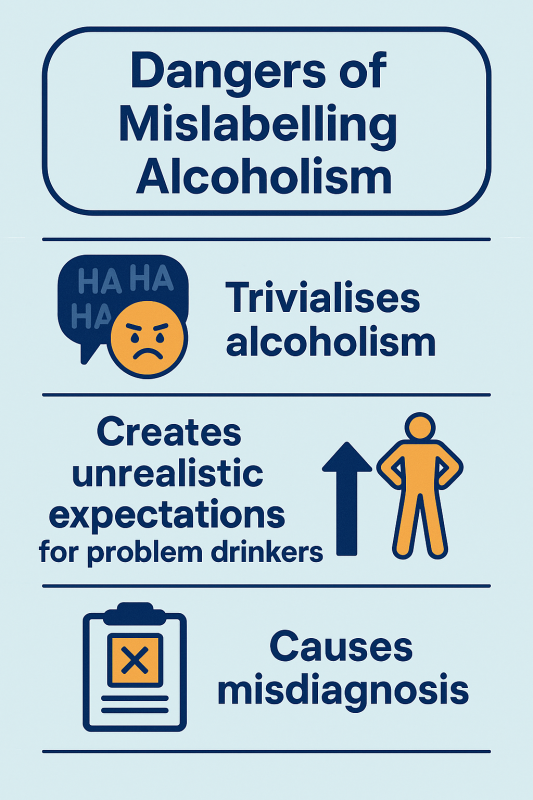
This is the danger in mislabelling alcoholism; it makes us take it less seriously.
On the flip side, it also imposes unrealistic rules on people who may be experiencing a drinking problem rather than an addiction.

So how can we tell the difference?
Forget the (pretty dry) lists of signs and symptoms, and let’s try to understand what is at the heart of alcoholism. People who are addicted are under the power of alcohol. It is characterised by a lifelong obsession with alcohol and being completely powerless over it.
This is not a habit or a craving that you feel when you sit down for a relaxing time on the sofa. Alcohol addiction is something chronic. Alcoholics often start drinking in the morning and can drink mind-boggling amounts per day.
Think several bottles of spirits or wine, bin bags of empty beer cans. Even decades after they stop drinking alcohol haunts people with an addiction.
Ask yourself, am I drinking because I can’t stop, or do I have a solid, tangible reason or because I cannot stop?
It might take some soul searching, but if you can identify the why of your drinking, you have taken the first steps towards solving your drinking problem.
Dealing with alcoholism vs problem drinking
Problem drinkers need to identify the reason they are drinking more than they should. For some, this is easy: if you need Dutch courage to face a party, then you are using booze to compensate for social anxiety. Need a bottle of wine to unwind after a stressful day? What is needed are healthier, more natural ways of coping with stress or even better, getting rid of whatever it is causing the stress.
Improving the problem or changing up your lifestyle is the best route to fixing problem drinking. Feeling better, happier, and healthier will naturally diminish your alcohol problem.
If you need a little help, then that is what we started Desistal for! Our natural medicinal tablets and relaxed therapy packages are there to improve low mood, fatigue, and get you feeling healthy, happy and ready to stop using alcohol as a support system.
What about alcoholism?
Treating alcoholism is an urgent and serious issue, and you can call our team any time for guidance on dealing with it. Desistal was originally sold as a post-detox supplement for specialist centres, but those with serious symptoms should consult with a doctor and therapist.
Our team are happy to help anyone dealing with this serious condition. You can call us for support.
Normalising the medical condition: alcoholic
Like many medical conditions, the term alcoholism is widely misused, joked about and used as a jibe. You can see this happening with many terms.
Some common examples I’ve heard: I feel so depressed today, I’m a bit OCD about my office, are some that stand out. These are serious illnesses, but they are thrown about without consideration.
What does this mean for people concerned about their drinking?
It is vital to decide if you are addicted to alcohol or a problem drinker.
According to rehab counsellors and addiction specialists, the distinction may be key to helping everyone struggling with alcohol.
Getting the right help and support is a huge part of managing drinking.
Navigating denial
Denial is the one thing alcoholics and problematic drinkers have in common. It is a natural human reaction to having to face something hard and painful.
There is this horrible idea around that if you deny a drinking problem, it makes you an alcoholic.
“I don’t have a problem” is a common phrase used to describe and, sadly, mock alcoholics. And you do hear it come all too often out of the mouths of people with alcohol addiction, but it is not in itself a sign or symptom of alcoholism.
People can deny everything negative, from a breakup to the loss of a loved one, but it doesn’t mean they won’t ever recover from it.
Myths About Alcoholism
There is an annoying number of myths about alcoholism. These are some of the worst.
Drinking every day makes you an alcoholic.
This is a fallacy. It isn’t ideal to drink every day, but it doesn’t mean you are an alcoholic. A person who drinks a glass of wine or a small beer every day after work isn’t automatically an alcoholic.
If you can stop, you can’t be an alcoholic.
Most alcoholics try to stop drinking at some point. Many succeed, but they remain an alcoholic. If you ever wondered why alcoholics can never drink again, that is the reason.
My boss is an alcoholic, he hasn’t had a drink in 20 years, but it remains with him for the rest of his life. In fact, stopping for prolonged periods only to return to alcohol is a common symptom of alcoholism.
What can we do about problem drinking?
Hopefully, after reading this, you understand the difference between problem drinking and alcoholism. Making that distinction helps us set realistic expectations of ourselves.
Convincing yourself that your drinking is within your control and choosing to face the reasons you have been overdoing it is key.
If your drinking is not in your control, then likely you are struggling with alcoholism.
Problems are at the heart of problem drinking. Like all other mind-altering substances, alcohol offers temporary relief to a long-term issue. We have to prioritise our health and happiness, and dropping alcohol should be easy when we do. In the end, no drunken stupor is a match for a full and happy life.
Check our bestsellers!