
Alcohol and Health Effects, Alcohol and Mental Health, Alcohol withdrawal
What happens when you stop drinking alcohol?
Jun
Studies show alcohol can affect nearly every system in the body, from the brain and liver to the immune system and heart. Still, experts say quitting may allow some of the damage to improve, especially when people stop sooner rather than later.
There is strong evidence that there is no safe amount of alcohol. A glass of wine after work or a beer watching a football match, once described as ‘moderate drinking’ and socially acceptable, is now viewed entirely differently by scientists.
Alcohol is linked to a dozen diseases and is proven to do the following:
- damage cells
- increase inflammation
- strain the liver
- negatively affect the brain
- dampen the immune system
- raise the risk of cancer, diabetes and cardiovascular disease
Liver regeneration
According to the NHS, the liver is very resilient and capable of regenerating itself. Each time your liver filters alcohol, some of the liver cells die.
The good news is, even if you’ve been a heavy drinker for many years, reducing or stopping your alcohol intake will have important short and long-term benefits for your liver and overall health.
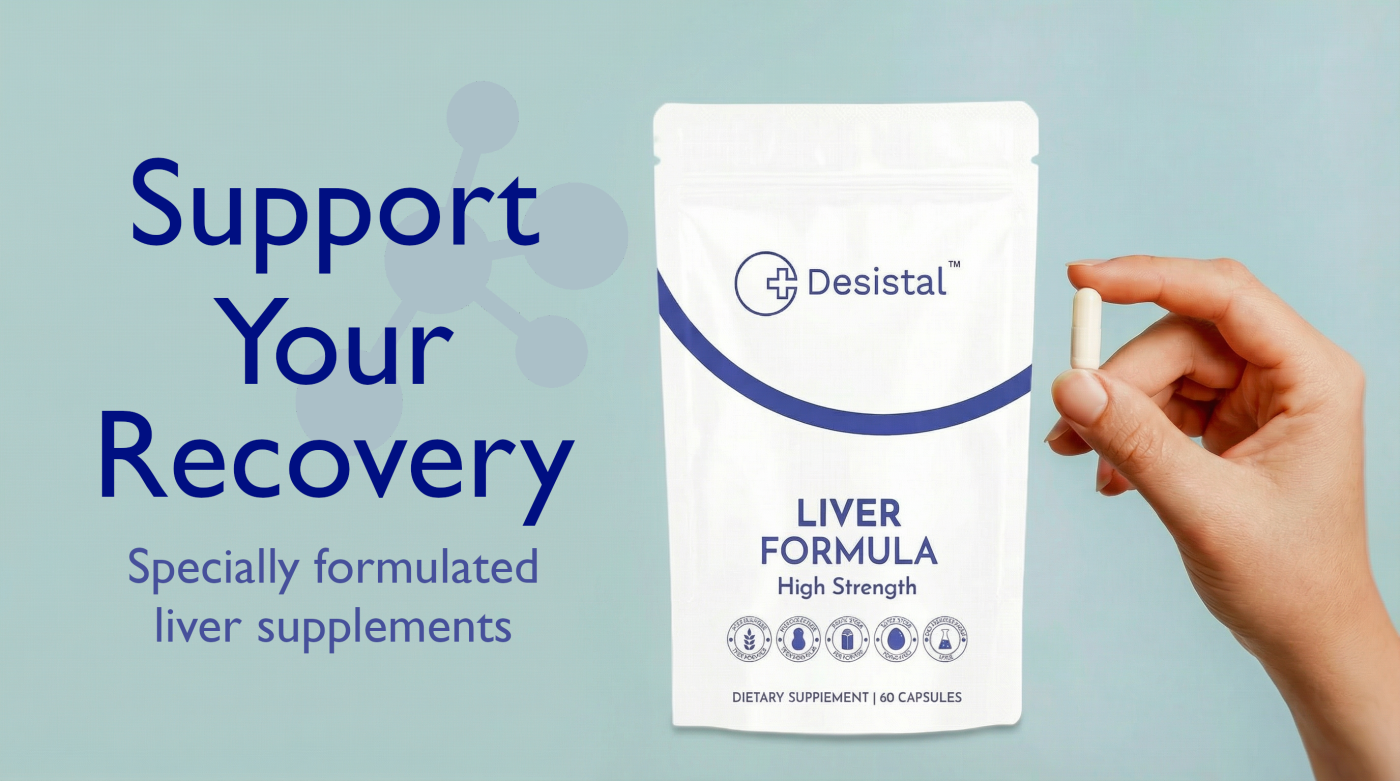
A healthy liver has the following health benefits:
Efficient Digestion & Energy: It produces bile to break down fats, stores sugar (as glycogen) to provide instant fuel when you need it, and regulates blood sugar levels.
Enhanced Detoxification: It filters harmful substances, medications, and alcohol from your bloodstream, preventing toxic build-up that can cause brain fog or fatigue.
Immune & Healing Support: It produces vital proteins necessary for your immune system to fight off infections and manufactures clotting factors required to stop bleeding when injured.
Nutrient Storage: It acts as a reservoir for essential vitamins (A, D, E, K, and B12) and iron, ensuring your body has what it needs to repair cells and maintain healthy tissues.
Skin rejuvenation
When you quit drinking alcohol, you will see improvements as fast as one day, and after a year, you will see major improvements in elasticity and the overall quality of your skin.
How alcohol affects the skin:
Dehydrating: Alcohol is a diuretic, which makes you urinate more frequently. Being dehydrated like this will make your skin drier and duller after a night of drinking.
Inflammatory: Alcohol is a toxin which triggers inflammatory molecules known as cytokines, which can cause or exacerbate psoriasis or eczema.
Blood vessel dilator: It dilates blood vessels. Persistent redness can show on the cheeks and nose, worsening symptoms of rosacea.
Premature ageing: Speeds up the ageing process when the liver breaks down alcohol, and reactive oxygen species are created as a byproduct. This causes oxidative stress, contributing to premature ageing of cells. Alcohol also causes the production of ‘advanced glycation end products’ which attach to and break down collagen and elastin, which are important proteins for healthy, plump and youthful skin.
Healing the Brain
Stopping alcohol allows the brain to heal through neuroplasticity.
Within weeks, brain cell volume increases, neurotransmitters rebalance, and memory improves. Much of the cognitive “brain fog” clears within the first month, paving the way for better emotional regulation and structural restoration over several months.
The brain undergoes a distinct, measurable healing process when alcohol is removed:
Neurotransmitter Rebalance: Alcohol alters chemical messengers by artificially boosting GABA (inducing relaxation) and suppressing glutamate (slowing thinking). Once you stop drinking, the brain recalibrates. This restores your natural ability to manage stress and anxiety, though it may take a few weeks or months for this chemical equilibrium to fully stabilise.
Reversal of Brain Shrinkage: Chronic alcohol use causes the brain’s grey matter to shrink, often due to cell dehydration rather than cell death. MRI studies show that this lost volume and cortical thickness can begin to reverse in as little as 1 to 2 weeks of abstinence. Over several months, brain regions thicken back toward normal levels.
Improved Memory and Focus: The hippocampus, which is responsible for memory and learning, recovers from alcohol-related impairment. As it heals, you will likely notice clearer thinking, better short-term memory, and improved attention spans.
Better Coordination: The cerebellum, which controls motor coordination and balance, can recover its volume quickly, resulting in steadier movements and fewer motor deficits.
Alcohol withdrawal symptoms
If you stop drinking or cut down, you may get withdrawal symptoms.
This is a sign your body is dependent on alcohol.
Symptoms include:
- anxiety
- difficulty sleeping
- feeling and being sick (nausea and vomiting)
- a racing heartbeat, sweating and shaking (tremor)
- seeing, hearing or feeling things that are not there (hallucinations)
- confusion seizures
- Withdrawal symptoms begin within 6 to 12 hours of your last drink, and usually last from 3 to 7 days. But some symptoms may last for a few months, especially if you drink heavily.
Important
It can be very dangerous to stop drinking suddenly if you’re dependent on alcohol. If you get withdrawal symptoms, get medical help before you try to stop drinking.